
When is it time to consider a mobility scooter? A guide for older adults
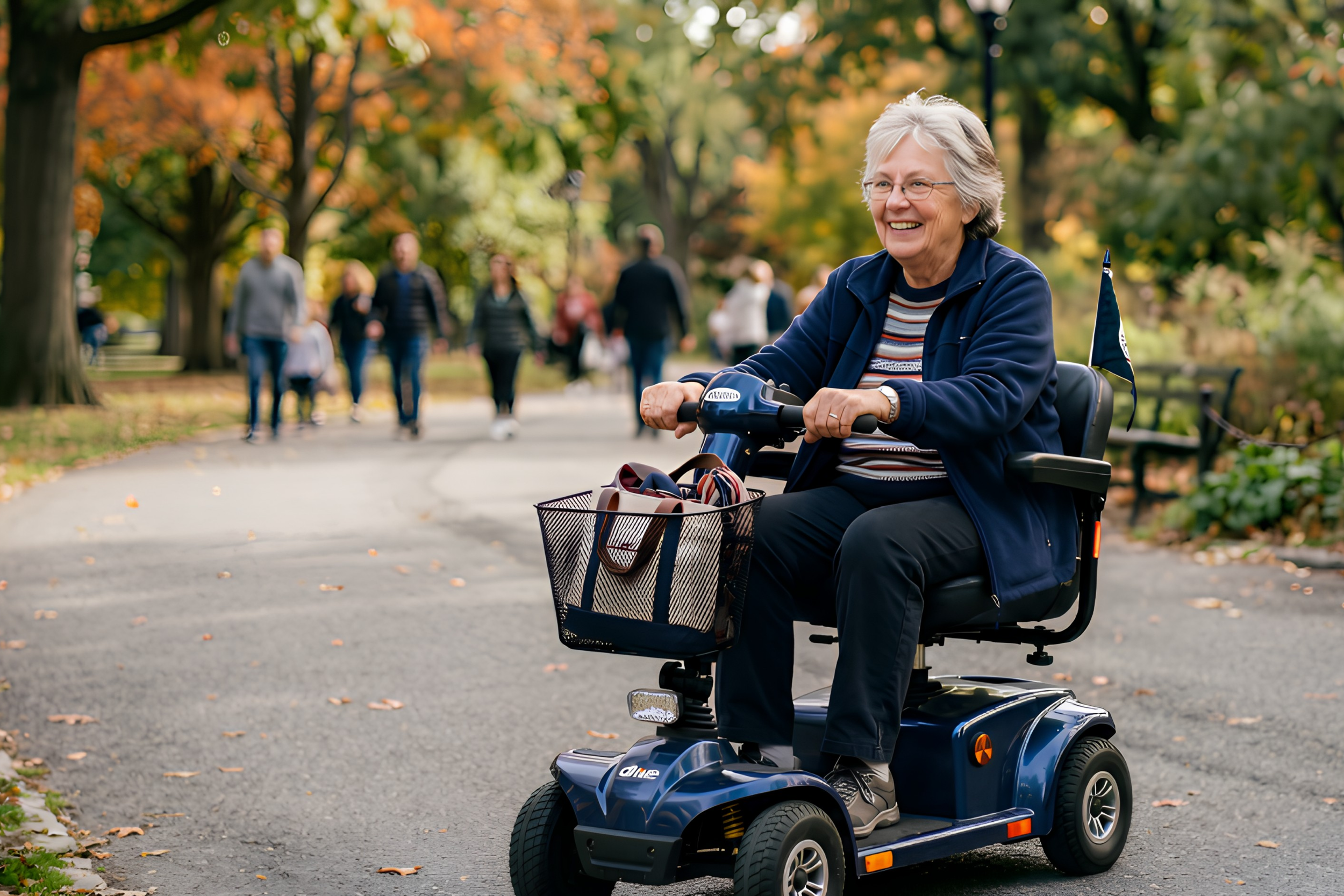
For many older adults, changes in mobility happen gradually.
It may start with feeling more tired after a trip to the shops, needing more rest breaks during a walk, or thinking twice before attending an outing because you are unsure how much walking will be involved.
While some changes in mobility are a normal part of ageing, they do not have to mean giving up the activities you enjoy. A mobility scooter can provide extra support for longer distances, helping you stay connected with your community, family, and the things that matter most, rather than replacing walking altogether.
Signs it may be time to consider a mobility scooter
Everyone's situation is different, but there are some common signs that a mobility scooter assessment may be worth exploring.
Walking longer distances is becoming difficult
Many older adults can still walk safely around their home but find longer distances in the community increasingly challenging, whether that is getting around shopping centres, supermarkets, medical appointments, local markets, parks, or community events.
You may notice that you need frequent rest breaks, become tired or breathless more quickly, walk slower than you used to, experience increased pain after outings, or need significant recovery time after being out.
These changes can make everyday activities feel harder and may lead to avoiding places you once enjoyed visiting. A mobility scooter can make longer outings more comfortable and manageable.
You are going out less often
Sometimes the first sign is not difficulty walking itself, but gradually doing less. You might find yourself declining social invitations, visiting family and friends less often, putting off shopping trips, or avoiding busy public places.
Many older adults reduce their activities because they are worried about fatigue, pain, or not being able to manage the distance. However, staying connected with the community is an important part of maintaining confidence and overall wellbeing.
Falls or near misses are becoming more common
Changes in strength, balance, and endurance can make community environments more challenging. You may feel unsteady when walking, have difficulty managing kerbs or uneven footpaths, or find yourself holding onto walls, rails, or shopping trolleys for extra support.
A mobility scooter may help reduce physical strain during longer outings and provide a safer option for getting around. An Occupational Therapist can assess whether a scooter is suitable based on your individual abilities and goals.
Pain or fatigue is affecting your daily life
Many older adults continue pushing through discomfort because they want to remain independent. Conditions such as arthritis, chronic pain, neurological conditions, respiratory conditions, or reduced endurance can make walking more challenging over time.
When most of your energy is spent simply getting from A to B, there may be less energy left for the things you actually enjoy, whether that is spending time with family, attending a community group, or going out for coffee with friends. A mobility scooter can help you get where you need to go with energy to spare for the activities that bring meaning to your day.
Family members are becoming concerned
Sometimes family members notice changes before we recognise them ourselves. They may point out reduced confidence when walking, increased tiredness after outings, more frequent near falls, or difficulty keeping up during activities.
These observations can be a helpful starting point for a conversation about whether additional mobility support could make a difference.
A mobility scooter can help you stay independent
Many older adults hesitate to consider a mobility scooter because they worry it means they are losing their independence. In reality, it is often the opposite.
Using a scooter for longer distances can make it easier to continue shopping on your own, visit family and friends, attend appointments, explore local areas, and take part in community life without becoming completely exhausted.
Many older adults continue walking at home or for shorter distances while using a mobility scooter when extra support is needed. The goal is not to stop being active. The goal is to make everyday activities more achievable and enjoyable.
Questions to consider before choosing a mobility scooter
Choosing a mobility scooter is an important decision. Before purchasing or hiring one, it can help to think through a few practical questions: Where will I use the scooter most often? Will I mainly use it indoors, outdoors, or both? Do I have suitable storage and charging space at home? Can I safely get on and off the scooter? Will it fit through my doorways and usual environments? How will I transport it if I need to travel?
Trying different options and receiving professional advice can help ensure the equipment feels comfortable, safe, and practical for your lifestyle.
Using a mobility scooter in the community
A mobility scooter is designed to help older adults continue accessing the places and activities that are important to them. Many shopping centres, community facilities, and public spaces offer accessibility features such as accessible parking, wider pathways, accessible entrances, and rest areas.
Before choosing a scooter, it is helpful to consider where you will use it most often and whether it suits the environments you regularly visit. An Occupational Therapist can help assess your community mobility needs and recommend equipment that supports safe and confident participation.
Mobility scooters are not one-size-fits-all
While mobility scooters can be helpful for many older adults, they are not the right choice for everyone. The most suitable mobility solution depends on factors such as physical ability and strength, the ability to safely transfer on and off the scooter, vision, memory and decision-making, home access and storage, and where the scooter will be used.
Sometimes another mobility aid, such as a walker, wheelchair, or powered wheelchair, may be a better option. A professional assessment can help identify the right solution based on your needs, goals, and lifestyle.
How Occupational Therapy can help with mobility scooter assessments
Choosing a mobility scooter involves more than selecting a model.
An Occupational Therapist can complete a mobility scooter assessment to understand your daily routines, physical abilities, safety needs, and the environments where you plan to use the equipment. An assessment may include:
Functional mobility assessment
Equipment trials
Transfer assessment
Seating and comfort considerations
Home access assessment
Community mobility assessment
Recommendations about suitable scooter features
Supporting documentation for aged care services where appropriate
Thinking about a mobility scooter?
Growing older does not mean giving up the activities that bring purpose and enjoyment to everyday life.
If walking longer distances has become more difficult, or you have started avoiding outings because they leave you feeling tired or sore, an Occupational Therapy mobility scooter assessment can help you understand your options.
The right mobility aid can help you continue enjoying your community, spending time with loved ones, and taking part in the activities that matter most. With the right advice and support, a mobility scooter can be a valuable tool to help you stay active and connected.
Ready to find the right mobility solution?
If you or a loved one is finding longer distances, community outings, or everyday activities more challenging, an Occupational Therapy mobility assessment can help you understand the options available.
Our Occupational Therapists can assess your mobility, discuss your goals, and recommend equipment that supports your independence, safety, comfort, and confidence.
Take the next step towards staying active, connected, and independent with the right mobility support.